

Original IV Drip
WellnessA simple baseline infusion focused on fluid and electrolyte support. It is often the sensible first conversation for someone new to IV therapy, and sometimes the clinician's answer is that nothing is needed at all.
A shorter session focused on fluid and electrolyte support.
The simplest thing an IV can do well is replace fluid. This is a shorter session built around that: sterile fluids and electrolytes, without a long ingredient list. If you are genuinely dehydrated, rehydrating usually helps you feel better — and that is a much more modest claim than most drip marketing makes.
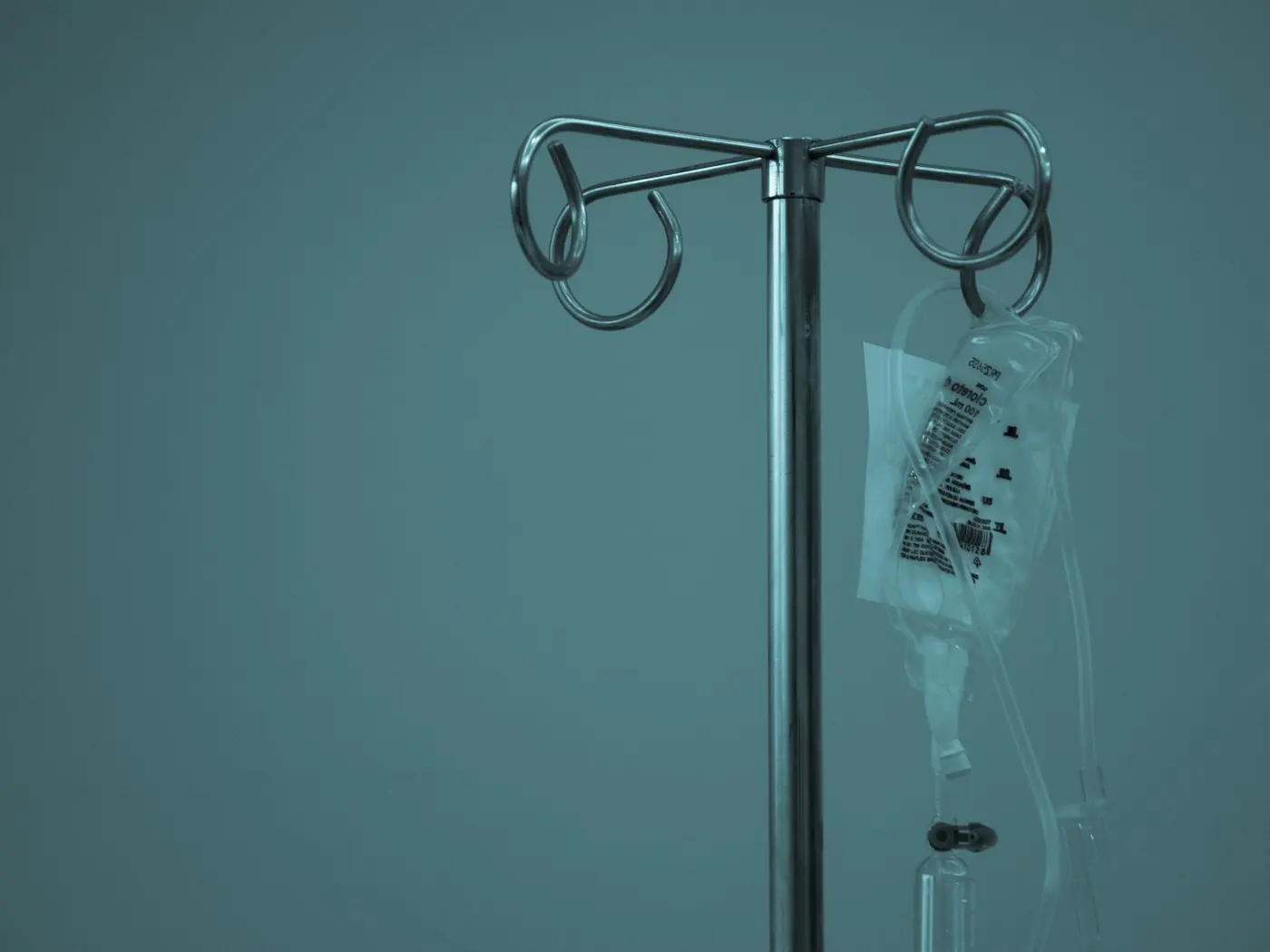
Dehydration in a hot climate is common and easy to underestimate. Fluid and electrolyte replacement is one of the oldest and best-established uses of the intravenous route, and it is the part of IV therapy with the clearest rationale.
The word “energy” in the name refers to how people describe feeling once they are properly hydrated, not to a stimulant effect and not to calories. If you are already well hydrated, an infusion has very little to add, and drinking water is the simpler answer. Persistent fatigue is a separate matter that deserves investigation.
Framed as areas people ask about — not promised outcomes.
This list is not exhaustive. Suitability is always decided individually by a clinician.

Rehydration can help someone who is dehydrated feel more comfortable. It does not increase energy in the way a stimulant would, and it will not do much at all for someone whose fluid balance is already normal.
This is a supportive, short intervention. If tiredness keeps returning, the answer is to find out why — sleep, thyroid, iron, mood, medication and many other factors are far more likely explanations than fluid.
Written by IV Drips Dubai editorial team
Published 2026-08-12 · Last updated 2026-08-13
Medical disclaimer
For most people, honestly, not much — and water is simpler, cheaper and lower risk. The intravenous route matters when someone cannot drink enough, is losing fluid faster than they can replace it, or has a clinical reason that a clinician has identified.
Not in the sense of a stimulant. If dehydration was making you feel flat, correcting it may help. If it was not, you should not expect an infusion to change how you feel.
It is shorter than a full formulation, but we do not quote a fixed time. The clinical team will give you a realistic idea for your specific session.
A simple baseline infusion focused on fluid and electrolyte support. It is often the sensible first conversation for someone new to IV therapy, and sometimes the clinician's answer is that nothing is needed at all.
Focused on fluid and electrolyte replacement after demanding exercise. It does not build muscle or improve performance, and anyone competing should check the current anti-doping rules first.

People ask about this after a late night or a long event. Fluids may help with dehydration, but an infusion does not undo the effects of alcohol, protect the liver, or make drinking safer.
Ask us whether it's appropriate for you. A clinician will assess your suitability first — the request itself doesn't confirm treatment.
Treatment depends on an individual assessment by a licensed clinician. This form is not for medical emergencies.