A simple definition
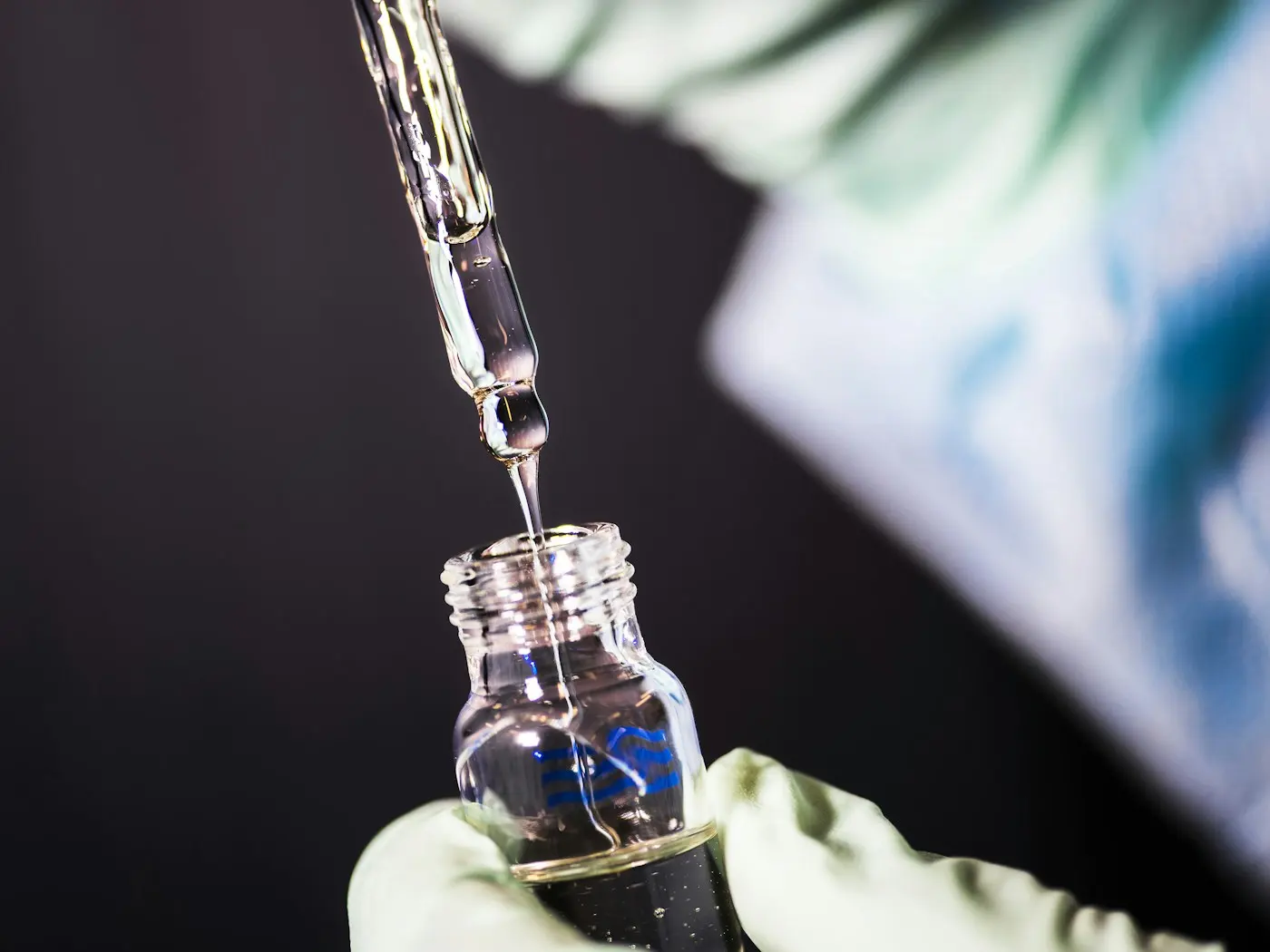
IV (intravenous) therapy is the delivery of sterile fluids — sometimes containing selected vitamins, minerals, amino acids or medicines — directly into a vein through a small tube called a cannula. Because it enters the bloodstream directly, it does not pass through the digestive system first.
In medicine, intravenous fluids and nutrients have long-established, specific uses. In a wellness setting, the same route is offered more broadly, which is exactly why it deserves careful, individual assessment rather than a menu-style approach.
How intravenous administration works
A trained clinician places a fine cannula, usually in the arm or the back of the hand, and connects it to a bag of fluid. The infusion runs in gradually over a period that depends on what is being given and how your body responds.
- The setting is a licensed clinical facility, kept sterile throughout.
- You are monitored during the session, and the rate can be adjusted.
- The infusion can be paused or stopped at any point if you feel unwell.
Why consultation and screening matter
Putting something directly into the bloodstream removes the checks that digestion normally provides. That is why a clinician reviews your medical history, medicines and allergies first — to confirm an infusion is appropriate, choose what (if anything) belongs in it, and identify anyone who should not have it or needs tests beforehand.