
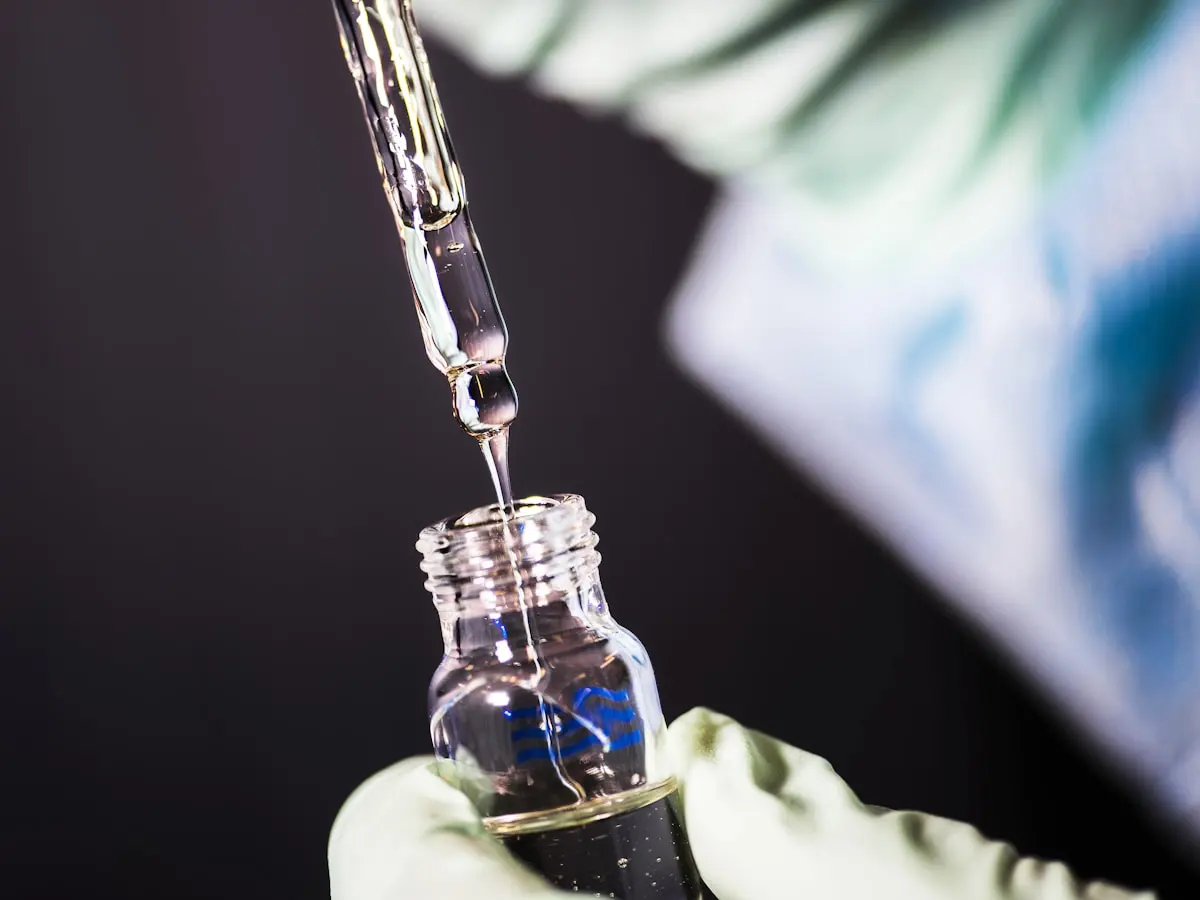
Glutathione and vitamin C both take part in the body's antioxidant systems. People often ask about this combination for general wellness or skin interest; suitability and any realistic benefit are assessed individually.
Twenty-four IV drips across three categories, each with a full, cautious page covering what it may support, where the evidence stops, the risks, and how a clinician decides whether it is right for you. Nothing here is a diagnosis or a recommendation on its own.

Open any drip for the full explanation, or add the ones you want to discuss to your consultation selection and send them together.
Formulations people usually ask about for skin, hair or nail interest. Cosmetic effects from an infusion are not established, so these pages set out what is known, what is not, and how a clinician decides whether anything here is appropriate for you.
Glutathione and vitamin C both take part in the body's antioxidant systems. People often ask about this combination for general wellness or skin interest; suitability and any realistic benefit are assessed individually.

A formulation people ask about for skin appearance. It is not offered for skin whitening or lightening, and no cosmetic outcome is promised — the assessment covers what is realistic and what is not.

Certain nutrients have a documented role in keratin and collagen tissue. Whether an infusion changes skin, hair or nail appearance in someone who is not deficient is not established, and hair loss has causes an infusion cannot address.
The broadest part of the catalogue: hydration, general wellness and recovery-focused infusions, plus personalised formulations chosen by a clinician. None of them treats a medical condition, and each one is only arranged after an individual assessment.
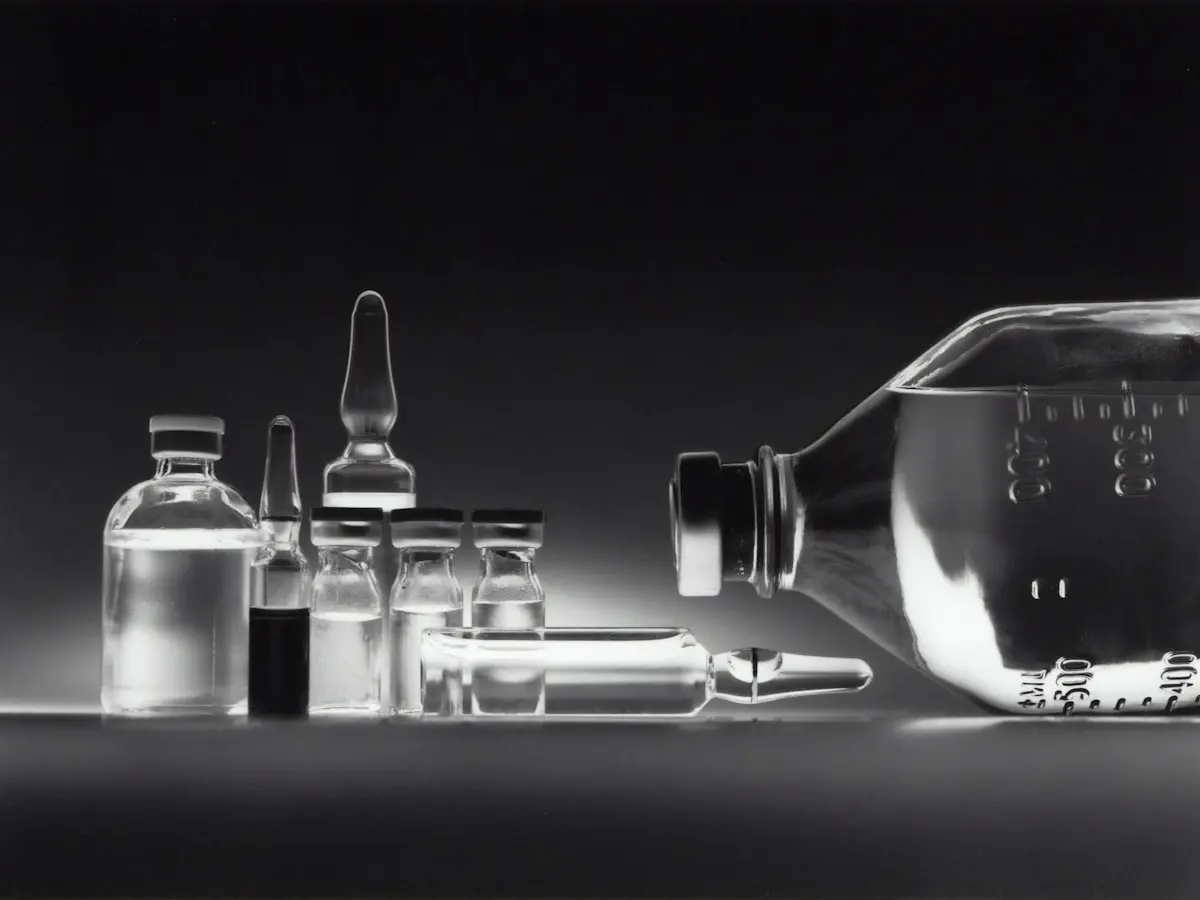
Premium IV describes a personalised infusion whose contents are selected by a clinician after assessment. Exact ingredients and doses are decided individually, not advertised as a fixed recipe.

Some nutrients take part in normal nervous-system function, which is why people ask about this drip during demanding periods. It does not treat anxiety, depression or burnout, and persistent symptoms need proper assessment.

A compact infusion aimed at rehydration rather than a long formulation. Rehydrating can help someone who is genuinely dehydrated feel better; it is not a source of energy in itself, and severe dehydration needs medical care.
Several vitamins and minerals have a documented role in normal immune function. That is not the same as preventing infection, and no infusion can promise you will not become unwell.

People ask about this after a late night or a long event. Fluids may help with dehydration, but an infusion does not undo the effects of alcohol, protect the liver, or make drinking safer.

Glutathione takes part in how the liver processes certain substances. The body clears waste through the liver and kidneys on its own, and no infusion cleanses or purifies the body — this page says so plainly.

A broader formulation combining antioxidant and metabolism-related nutrients. A longer ingredient list does not make an infusion more effective, and neither cleansing nor an increase in energy is promised.
A general wellness infusion covering several ingredient categories at once. A clinician still decides what is reasonable to include; nothing is added just to lengthen the list.
An extended version of the all-in-one approach for people who want the broadest clinician-approved formulation. Additions have to be justified at assessment, and a longer session may be needed.

A simple baseline infusion focused on fluid and electrolyte support. It is often the sensible first conversation for someone new to IV therapy, and sometimes the clinician's answer is that nothing is needed at all.

A vitamin C–focused formulation. Higher-dose vitamin C requires screening — including G6PD status and kidney function — because it is not safe for everyone, and it is not offered as a treatment for any disease.

Built around nutrients the body uses in energy-producing reactions. Feeling tired has many possible causes, and an infusion is not a substitute for finding out why.

Certain B vitamins have a recognised role in normal nervous-system function. No improvement in memory or concentration is promised, and new or worsening memory problems need medical assessment, not an infusion.

An antioxidant-oriented formulation people ask about as they get older. Nothing here slows, stops or reverses ageing, and no claim is made about DNA, telomeres or lifespan.

May support hydration and nutrition as one small part of a clinician-led programme. It is not a fat-burning treatment, does not change insulin resistance, and cannot replace diet, activity or medical care.
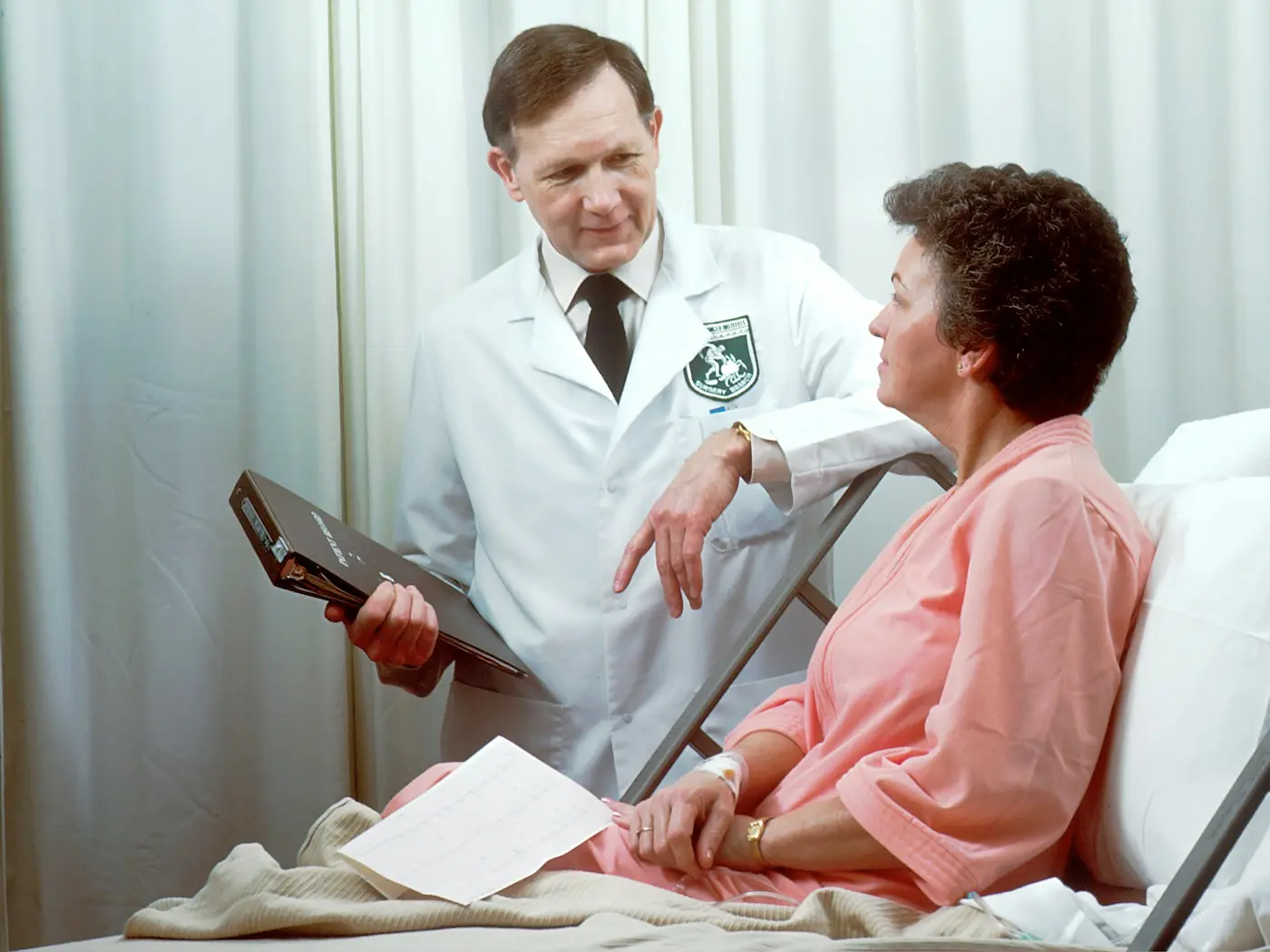
Focused on fluid and electrolyte replacement after demanding exercise. It does not build muscle or improve performance, and anyone competing should check the current anti-doping rules first.
The intravenous route bypasses digestion, which matters when absorption has been clinically shown to be impaired. Digestive symptoms should be investigated properly rather than managed with an infusion.

A general wellness formulation men often ask about. It does not change testosterone, treat erectile difficulties or improve fertility — those need a proper medical assessment.
Services that need more than a routine consultation. Availability must be confirmed, suitability requires specialist assessment, and regulatory or clinical requirements may apply. Nothing on this website establishes that you are eligible.
An informational page only. Stem cell administration is a highly regulated area: availability must be confirmed, suitability requires specialist assessment, and this website does not establish that you are eligible.
An informational page only. Exosome preparations are an active research area rather than an established treatment; availability, regulatory position and suitability all require specialist confirmation.
NAD+ is a coenzyme involved in energy-producing reactions inside cells. It is a popular wellness topic; this page separates its biological role from what clinical evidence currently supports.
Selecting a drip is a way to start a conversation, not a purchase. There is no payment at this stage, and suitability, formulation and any applicable price are confirmed by a clinician after an assessment.
You tell us what you're interested in; a clinician decides what is appropriate. Those are deliberately two different steps.
Add any drips you are curious about to your selection. This records what you want to talk about — it is not a diagnosis, an order, or a statement that the drip suits you.
Your medical history, current medicines and allergies are reviewed, and screening is arranged where a formula requires it. Expectations are discussed openly at this point.
What is given, if anything, is a clinical decision — including the option of a different drip, the oral route, or no infusion at all. Price and formulation are confirmed at this stage.
How to choose, properly
Submitting an enquiry does not confirm treatment or eligibility.
Send a short enquiry with your details and what you're interested in. This starts a conversation — it does not confirm treatment or eligibility.
Speak with a clinician who reviews your health, medicines and goals, and explains what is and isn't realistic for you.
The clinician assesses whether an infusion is appropriate, which one, or whether another option suits you better.
If it's appropriate, treatment is arranged in a clinical setting, with monitoring and clear aftercare. If it isn't, you'll be told plainly.
Every drip carries some risk. Here's how assessment, screening and monitoring manage it.
Everything that has to happen before an infusion can even be considered.
Your history, conditions and reasons for enquiring are reviewed before anything is arranged.
Current medicines, supplements and known allergies are checked for interactions and risks.
Some formulas need blood tests or further checks before they can be considered.
What goes into the bag, if anything, is a clinical decision — not a menu choice.
How the session itself is prepared, given and watched over.
Infusions are prepared and given using sterile technique in a licensed setting.
You're observed throughout, and treatment can be paused or stopped at any time.
What you leave with, and what to do if something doesn't feel right.
You leave with clear guidance and know what to watch for afterwards.
We explain the symptoms that mean you should seek urgent medical care.
IV (intravenous) therapy delivers sterile fluids, and sometimes selected vitamins, minerals or other ingredients, directly into a vein through a small cannula. It is carried out by a trained clinical team in a licensed setting, after an assessment of whether it is appropriate for you.
A clinician reviews your health, medicines, allergies and reasons for enquiring, then decides whether an infusion is appropriate and, if so, which one. Nothing is chosen from a menu without that assessment, and the clinician may recommend a different option or none at all.
Timing varies by the treatment plan and individual needs, so we don't quote a fixed figure. Some infusions, such as NAD+, are given slowly and take longer. The team will give you a realistic idea of timing for your specific session.
No. It is not suitable for everyone, and suitability depends on an individual assessment. Some conditions, medicines, allergies, and pregnancy or breastfeeding, may mean it is not appropriate, or that extra screening is needed first.
Yes. Possible effects include discomfort, bruising or redness at the cannula site, lightheadedness, and effects related to specific ingredients. Allergic reactions are uncommon but possible, which is why treatment is given in a clinical setting with monitoring.
No. IV therapy is not a replacement for a healthy diet, for prescribed medical treatment, or for proper investigation of symptoms. It may play a supportive role in some situations, but it does not treat medical conditions on its own.
Tell us what you're considering and we'll arrange a consultation. Any treatment depends on a professional assessment of whether it's right for you — the enquiry itself confirms nothing.
Treatment depends on an individual assessment by a licensed clinician. This form is not for medical emergencies.