
Premium, Wellness and Recovery IV Drips

HI-C IV Drip

A vitamin C–led infusion, with screening that is not optional.

A vitamin C–led infusion, and one of the few services on this site where screening is genuinely non-negotiable. Higher-dose vitamin C is not safe for everyone: G6PD deficiency and kidney function both have to be checked first. This page explains why, and what vitamin C is and is not being offered for.
All IV Drips
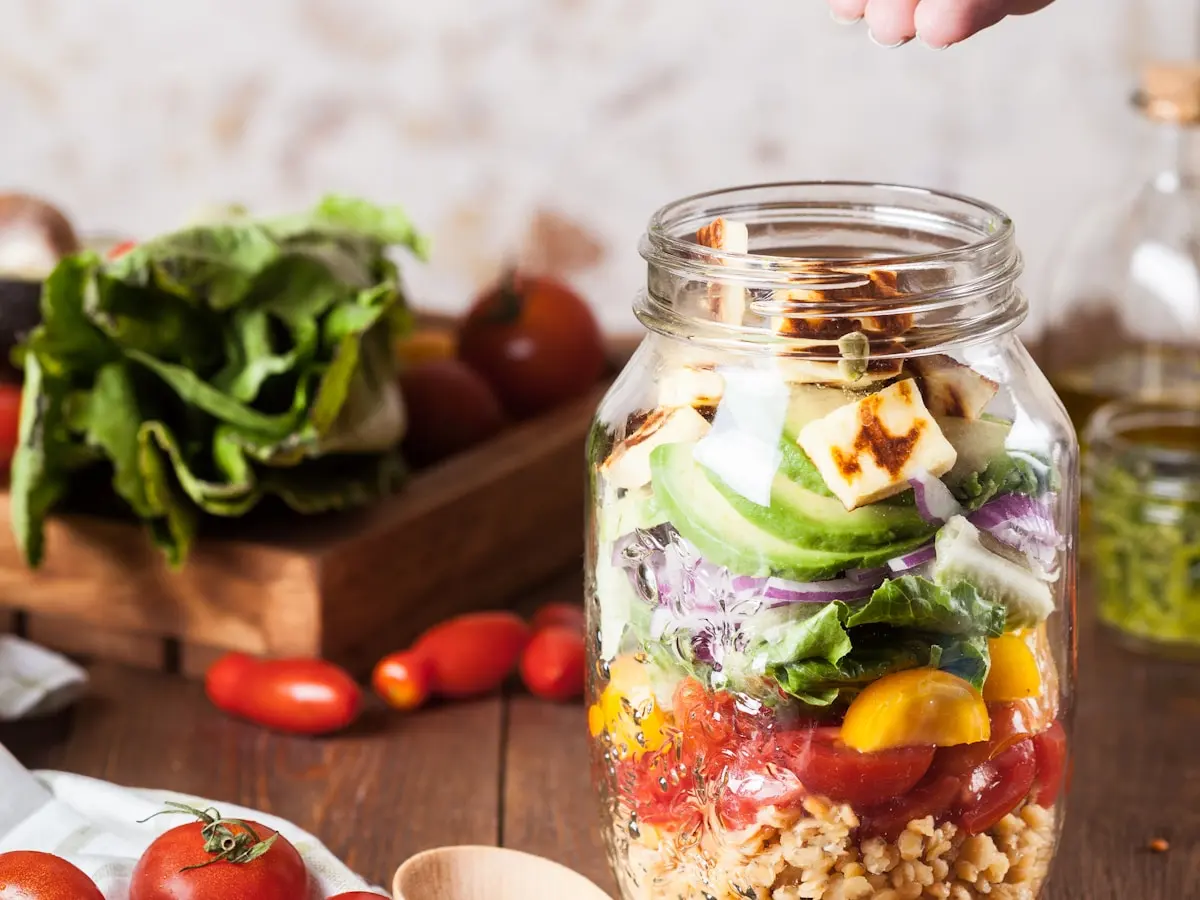
Fresh vegetables and grains layered in a jar as part of a balanced diet
Overview

What this is, in plain terms

Vitamin C takes part in collagen formation, in normal immune function and in the body's antioxidant network. Intravenous administration produces blood levels that oral doses cannot reach, which is the pharmacological reason the route is used at all.

Those higher levels are also the reason for caution. In people with G6PD deficiency, high-dose intravenous vitamin C can cause red blood cells to break down. It can also increase oxalate, which matters for kidney stones and kidney function. Screening for both is a requirement here, not a formality — and this service is not offered as a treatment for cancer or any other disease.

On the day

What the appointment may involve

  • A fine cannula is placed, usually in the arm or the back of the hand, and the infusion runs at a controlled rate.
  • The rate is adjusted to how you feel rather than to a fixed schedule.
  • You are monitored throughout, and the infusion can be slowed, paused or stopped at any point.
Potential support

What it may support

Framed as areas people ask about — not promised outcomes.

  • Nutritional support where a vitamin C deficiency has been clinically identified
  • General antioxidant support within clearly stated limits
  • An informed conversation about what intravenous vitamin C is and is not used for
Suitability

Who may ask about it

  • Adults willing to complete G6PD and kidney-function screening before treatment
  • People who want the risks of higher-dose vitamin C explained honestly
  • Those who accept it is not offered as a treatment for any disease

Who may not be suitable

This list is not exhaustive. Suitability is always decided individually by a clinician.
  • Known or unscreened G6PD deficiency — an absolute reason not to proceed until it is excluded
  • Kidney disease, reduced kidney function, or a history of oxalate kidney stones
  • Haemochromatosis or iron overload, where vitamin C affects iron absorption
  • Anyone seeking intravenous vitamin C as a cancer treatment — this is not offered here
  • Pregnancy or breastfeeding, unless a doctor advises otherwise
  • A known allergy or previous reaction to any infusion component
  • Heart, kidney or liver conditions affecting fluid or electrolyte balance, without medical clearance
  • Acute illness, or a condition your clinician judges should be investigated or stabilised first
Assessment

How suitability is assessed

  • Your medical history, current medicines, supplements and known allergies are reviewed before anything is arranged.
  • G6PD status must be known and normal before higher-dose vitamin C can be considered — this is not waived on request.
  • Kidney function is checked, and a history of kidney stones is taken seriously.
  • The clinician may conclude that an oral dose, a lower dose, or no infusion at all is the right answer.
Before

Preparation

  • Complete the requested blood tests, including G6PD, and bring the results with you.
  • Eat normally and drink water beforehand unless you have been told otherwise.
  • Bring an up-to-date list of medicines and supplements, including any iron preparation.
  • Mention any history of kidney stones, kidney disease or blood disorders.
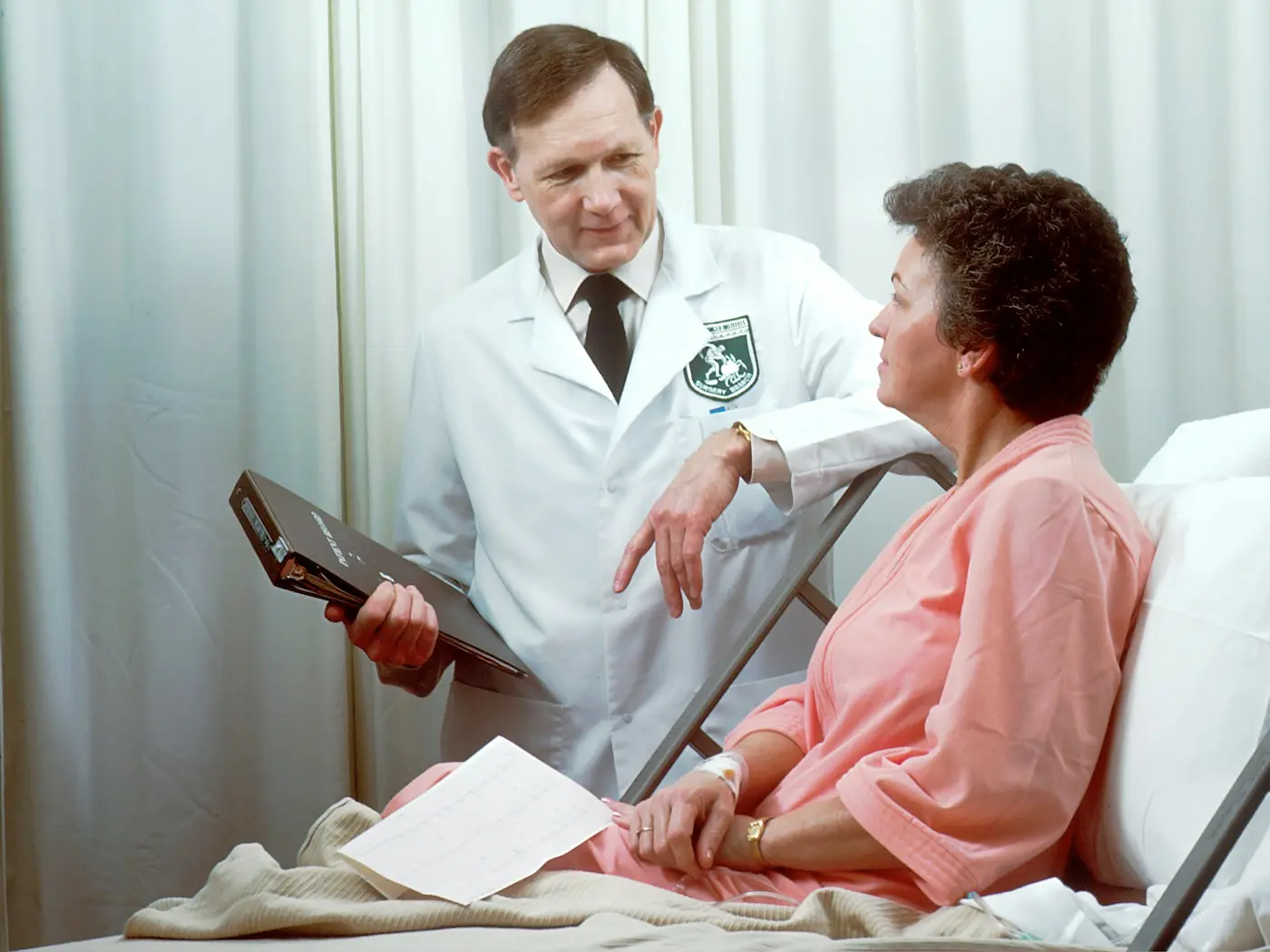
A clinician reviewing notes at the bedside while checking in with a patient
Risks

Possible side effects

  • Discomfort, bruising or redness where the cannula was placed
  • Lightheadedness, headache or a temporary taste or smell change during the infusion
  • Fluid or electrolyte effects, which is why heart, kidney and liver conditions need clearance first
  • Uncommonly, an allergic reaction — one of the reasons treatment is only given in a clinical setting
After

Aftercare

  • Rest for a few minutes before leaving if you feel lightheaded, and avoid driving until you feel steady.
  • Keep the cannula site clean and watch for swelling or spreading redness.
  • Drink water normally and carry on with the rest of your usual routine unless advised otherwise.
  • Contact the clinic — or seek urgent care — for chest pain, breathlessness, a rash or significant swelling.
Realistic expectations

What to expect — honestly

Correcting a genuine deficiency is worthwhile. Beyond that, no benefit from higher blood levels of vitamin C has been established for general wellness, and higher is not automatically better.

This service is not a treatment for cancer, infection or any other disease, and we will not discuss it as one. If you are living with a diagnosed condition, please raise intravenous vitamin C with your treating team before considering it anywhere.

Written by IV Drips Dubai editorial team

Published 2026-08-12 · Last updated 2026-08-13

Medical disclaimer

This page is general information, not medical advice, and does not create a doctor–patient relationship. IV therapy is not suitable for everyone, suitability is decided by a licensed clinician after assessment, and results vary. This website and its booking form are not for emergencies — in a medical emergency, contact local emergency services immediately. Content should be reviewed by a suitably qualified healthcare professional before launch.
FAQ

HI-C questions

Because high-dose intravenous vitamin C can cause red blood cells to break down in people with G6PD deficiency. It is a serious, avoidable risk, so the test is required before treatment rather than optional.

No. It is studied in that context, but it is not an established treatment and we do not offer it as one. Please discuss any such interest with your oncology team.

No. Above a certain point the body simply excretes the excess, and higher doses bring higher risks rather than greater benefit.

Related

Other IV drips to compare

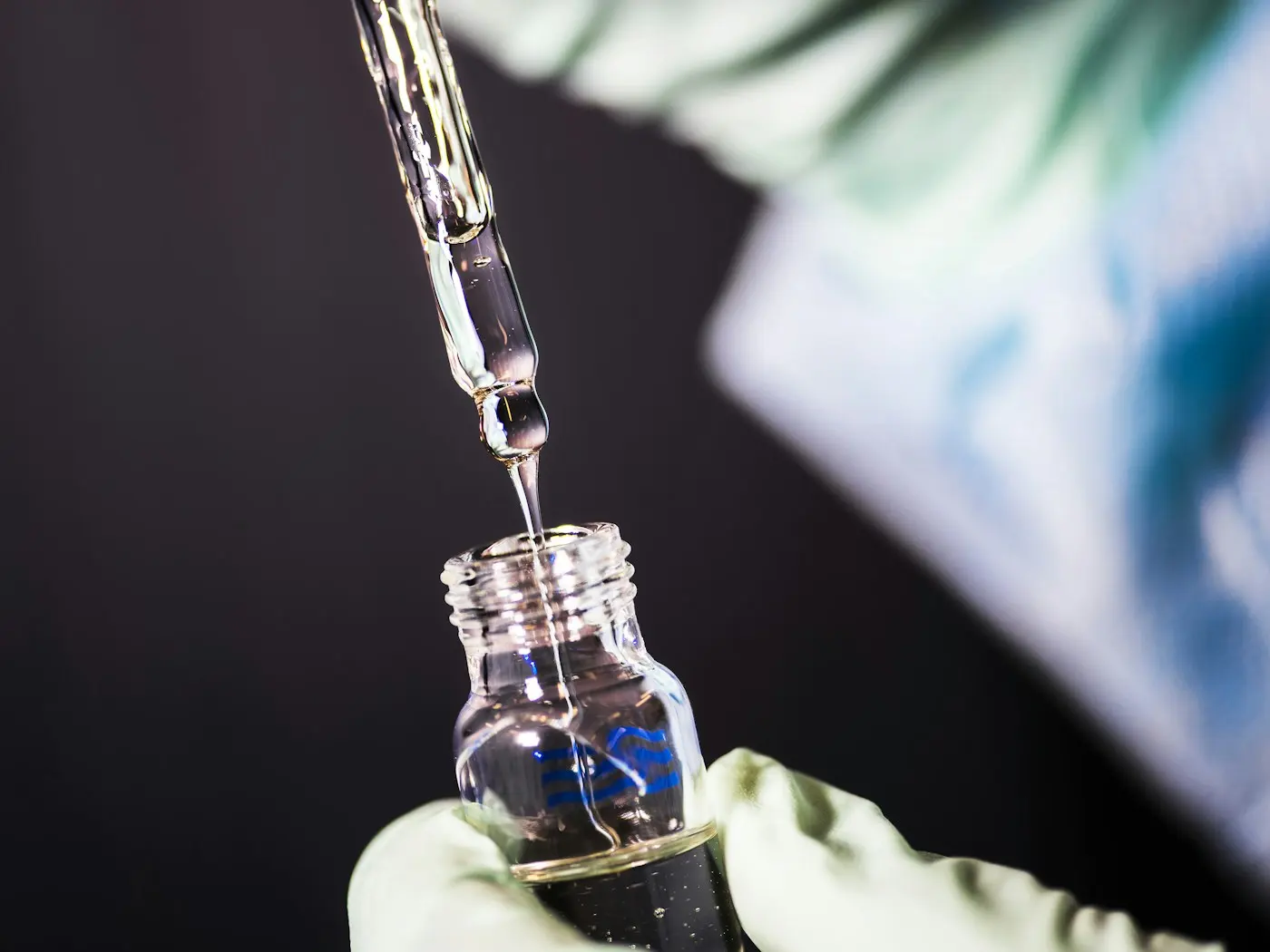
A gloved clinician measuring a sterile solution during preparation

Several vitamins and minerals have a documented role in normal immune function. That is not the same as preventing infection, and no infusion can promise you will not become unwell.
View Details
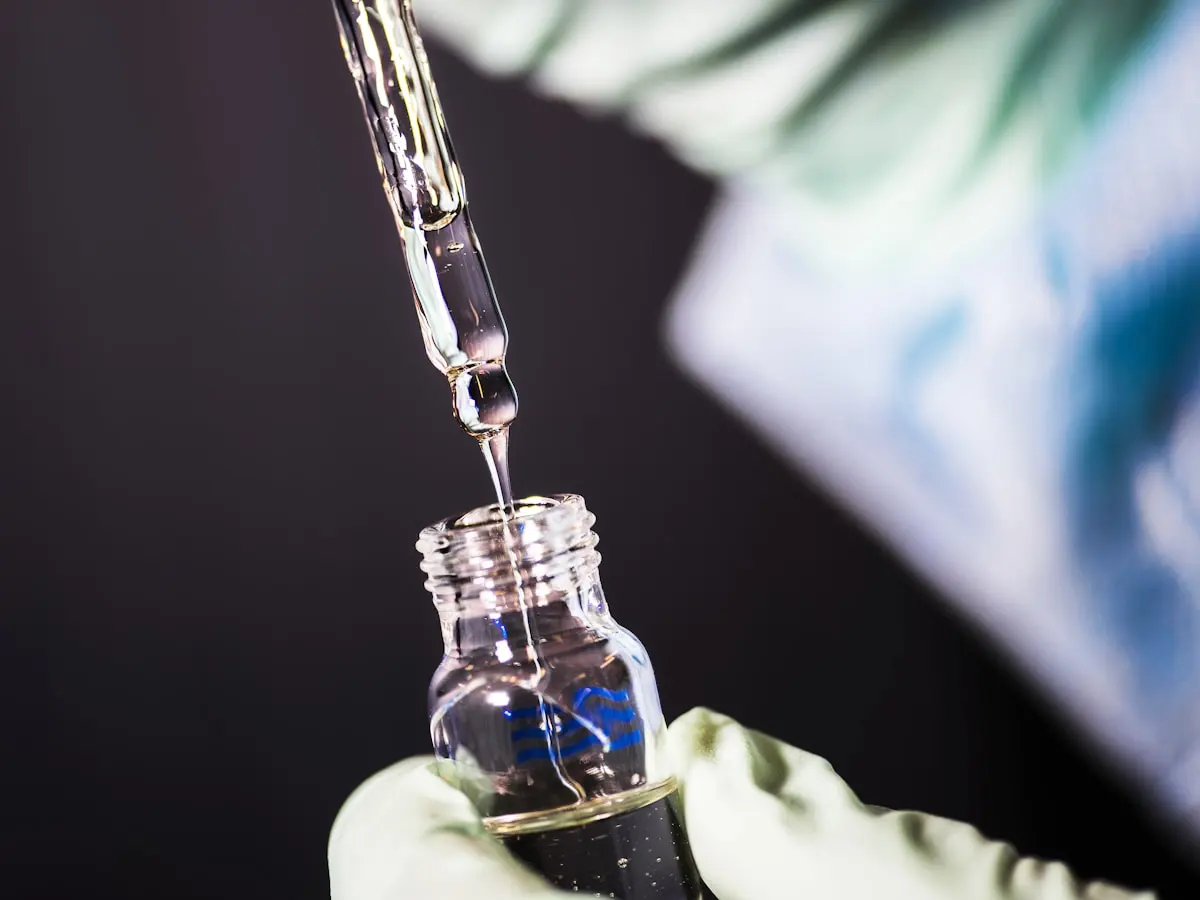
A gloved clinician measuring a sterile solution into a vial

Glutathione and vitamin C both take part in the body's antioxidant systems. People often ask about this combination for general wellness or skin interest; suitability and any realistic benefit are assessed individually.

View Details
A clinician explaining treatment information to a patient during a consultation

A broader formulation combining antioxidant and metabolism-related nutrients. A longer ingredient list does not make an infusion more effective, and neither cleansing nor an increase in energy is promised.

View Details
Consultation-led care

Considering the HI-C?

Ask us whether it's appropriate for you. A clinician will assess your suitability first — the request itself doesn't confirm treatment.

Treatment depends on an individual assessment by a licensed clinician. This form is not for medical emergencies.