

Specialized IV Drips

NAD+ IV Drip

A coenzyme central to how cells make energy — explained without the hype.

NAD (nicotinamide adenine dinucleotide) is a coenzyme found in every living cell, where it takes part in the reactions that release energy from food. Interest in NAD+ infusions has grown quickly in wellness settings, well ahead of the clinical evidence. This page sets out what NAD does in the body, what an infusion involves, and why it is worth being careful about the claims made for it.

All IV Drips
A bright, modern consultation room set up for a one-to-one appointment

Specialist assessment required

This page is informational only. Availability must be confirmed, suitability requires specialist assessment, and regulatory and clinical requirements may apply. Nothing on this website establishes that you are eligible, and any treatment claim requires medical and legal review before publication.
Overview

What this is, in plain terms

NAD+ is a coenzyme that partners with enzymes in the reactions cells use to convert nutrients into usable energy, and it takes part in other cellular processes including DNA repair pathways and the activity of certain regulatory proteins. Its central role in normal metabolism is well established in biochemistry.

A biological role, however, is not the same as a proven clinical benefit. Much of the marketing around NAD+ infusions runs a long way ahead of the evidence, particularly claims about ageing, cognition and energy in healthy adults. We think it is more useful to explain what is genuinely known, what remains uncertain, and how a clinician assesses whether an infusion is reasonable for you.

On the day

What the appointment may involve

  • The infusion is started slowly and the rate is adjusted continuously to how you feel.
  • Some people notice flushing, chest or abdominal tightness, nausea or cramping if the rate is too quick — slowing the drip usually eases this within minutes.
  • Sessions are notably longer than other drips because the slow rate is deliberate, not a delay.
  • You are monitored throughout and the session can be paused or stopped at any point.
Potential support

What it may support

Framed as areas people ask about — not promised outcomes.

  • Interest in the biology of cellular energy and metabolism
  • A wish to understand NAD+ therapy properly before committing to it
  • Support as one part of a wider, clinician-guided wellness conversation
Suitability

Who may ask about it

  • Adults who want an honest account of what the evidence does and does not show
  • People prepared to complete an assessment and a notably longer session
  • Those comfortable proceeding despite openly acknowledged evidence gaps

Who may not be suitable

This list is not exhaustive. Suitability is always decided individually by a clinician.
  • Known heart rhythm problems or significant cardiovascular disease, without specialist clearance
  • A previous reaction to an NAD+ infusion or any of its components
  • Anyone who cannot tolerate a long session, since the infusion must be given slowly
  • People expecting reversal of ageing, DNA repair, guaranteed energy or improved memory
  • Pregnancy or breastfeeding, unless a doctor advises otherwise
  • A known allergy or previous reaction to any infusion component
  • Heart, kidney or liver conditions affecting fluid or electrolyte balance, without medical clearance
  • Acute illness, or a condition your clinician judges should be investigated or stabilised first
Assessment

How suitability is assessed

  • Medical history, medicines, allergies and cardiovascular background are reviewed in detail before anything is arranged.
  • The clinician explains plainly what NAD+ can and cannot be expected to do, including where evidence is absent.
  • The length of the session and the sensations that can occur during it are discussed before you commit to it.
  • Together you decide whether to proceed, adjust, or choose a different path entirely.
Before

Preparation

  • Allow considerably more time than for other drips — NAD+ sessions are long by design.
  • Eat beforehand and stay hydrated unless you have been advised otherwise.
  • Share your full medicine list and any heart, blood-pressure or rhythm history.
  • Bring something to occupy yourself, and plan not to rush off afterwards.
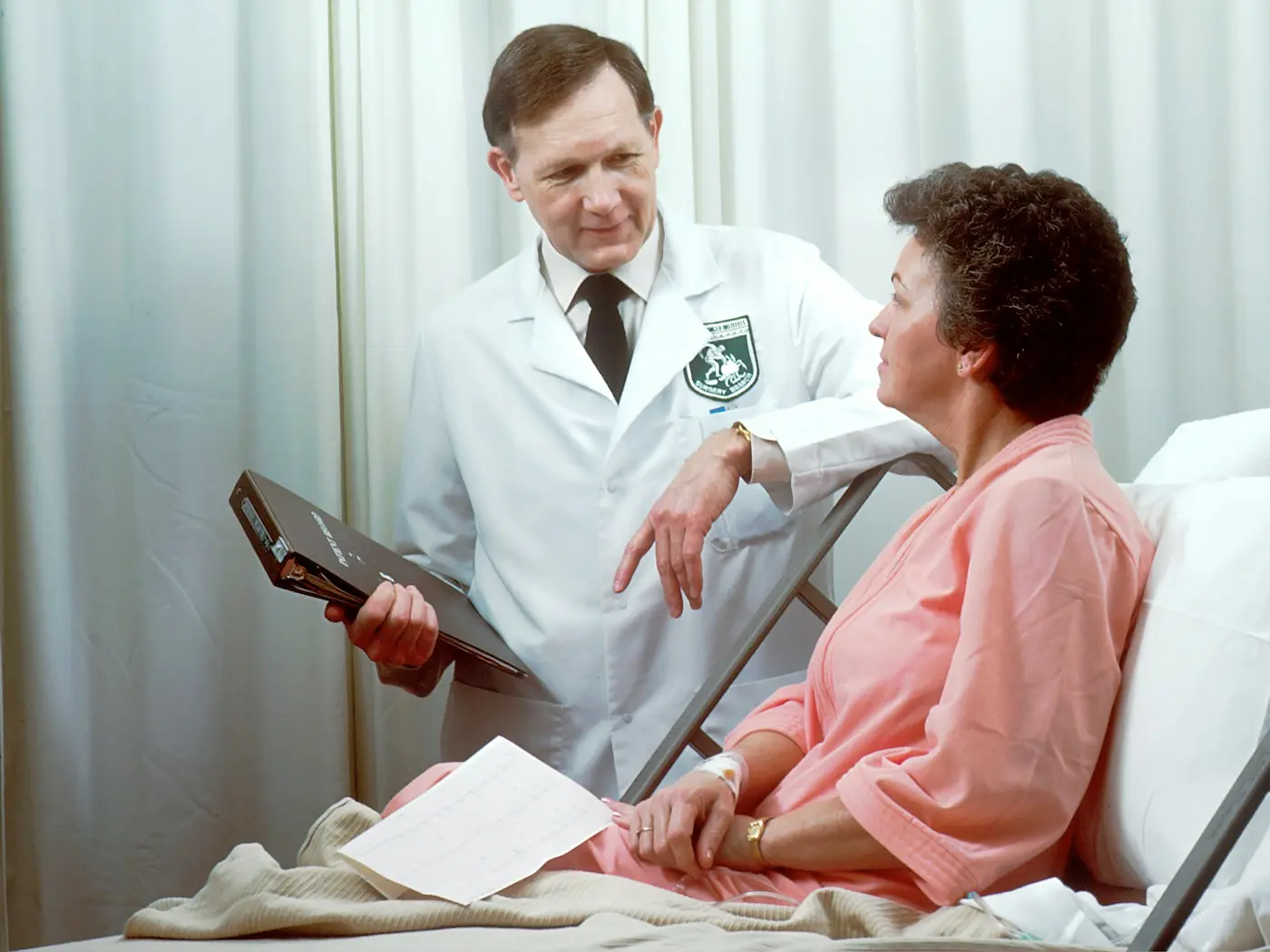
A clinician reviewing notes at the bedside while checking in with a patient
Risks

Possible side effects

  • Flushing, chest or abdominal tightness, nausea or cramping during the infusion, usually related to the rate
  • Lightheadedness or headache
  • Cannula-site discomfort, bruising or redness
  • Rarely, more significant reactions — the reason treatment is supervised in a clinical setting
After

Aftercare

  • Any infusion-related sensations usually settle soon after the drip finishes.
  • Rest before driving if you feel lightheaded, and do not plan anything demanding immediately afterwards.
  • Keep the cannula site clean and watch for swelling or spreading redness.
  • Seek advice, or urgent care, for chest pain, palpitations, breathlessness or a rash.
Realistic expectations

What to expect — honestly

NAD+'s role inside cells is well understood, but claims that infusions reverse ageing, repair DNA, cure fatigue or sharpen the mind go beyond what current clinical evidence supports, and we will not repeat them.

Fatigue and low energy have many possible causes, some of which need proper investigation. An infusion is not a substitute for finding out why you feel tired, and individual responses vary considerably.

Written by IV Drips Dubai editorial team

Published 2026-08-12 · Last updated 2026-08-13

Medical disclaimer

This page is general information, not medical advice, and does not create a doctor–patient relationship. IV therapy is not suitable for everyone, suitability is decided by a licensed clinician after assessment, and results vary. This website and its booking form are not for emergencies — in a medical emergency, contact local emergency services immediately. Content should be reviewed by a suitably qualified healthcare professional before launch.
FAQ

NAD+ questions

We cannot promise that. NAD+ is important in cellular energy reactions, but that biological role does not prove an infusion increases day-to-day energy or slows ageing. Evidence in healthy people is limited, and we will not overstate it.

NAD+ is infused slowly on purpose. Given too quickly it can cause flushing, chest tightness, nausea or cramping. A slower rate is more comfortable, which is why sessions run considerably longer than other drips.

Persistent tiredness deserves a proper assessment, because it can have many underlying causes. Please do not self-diagnose. A clinician can help identify what is going on rather than treating a symptom in isolation.

Related

Other IV drips to compare

A clinician holding a stethoscope, ready to answer questions before treatment

An antioxidant-oriented formulation people ask about as they get older. Nothing here slows, stops or reverses ageing, and no claim is made about DNA, telomeres or lifespan.

View Details
A member of clinical staff in scrubs in a bright treatment area

Built around nutrients the body uses in energy-producing reactions. Feeling tired has many possible causes, and an infusion is not a substitute for finding out why.
View Details
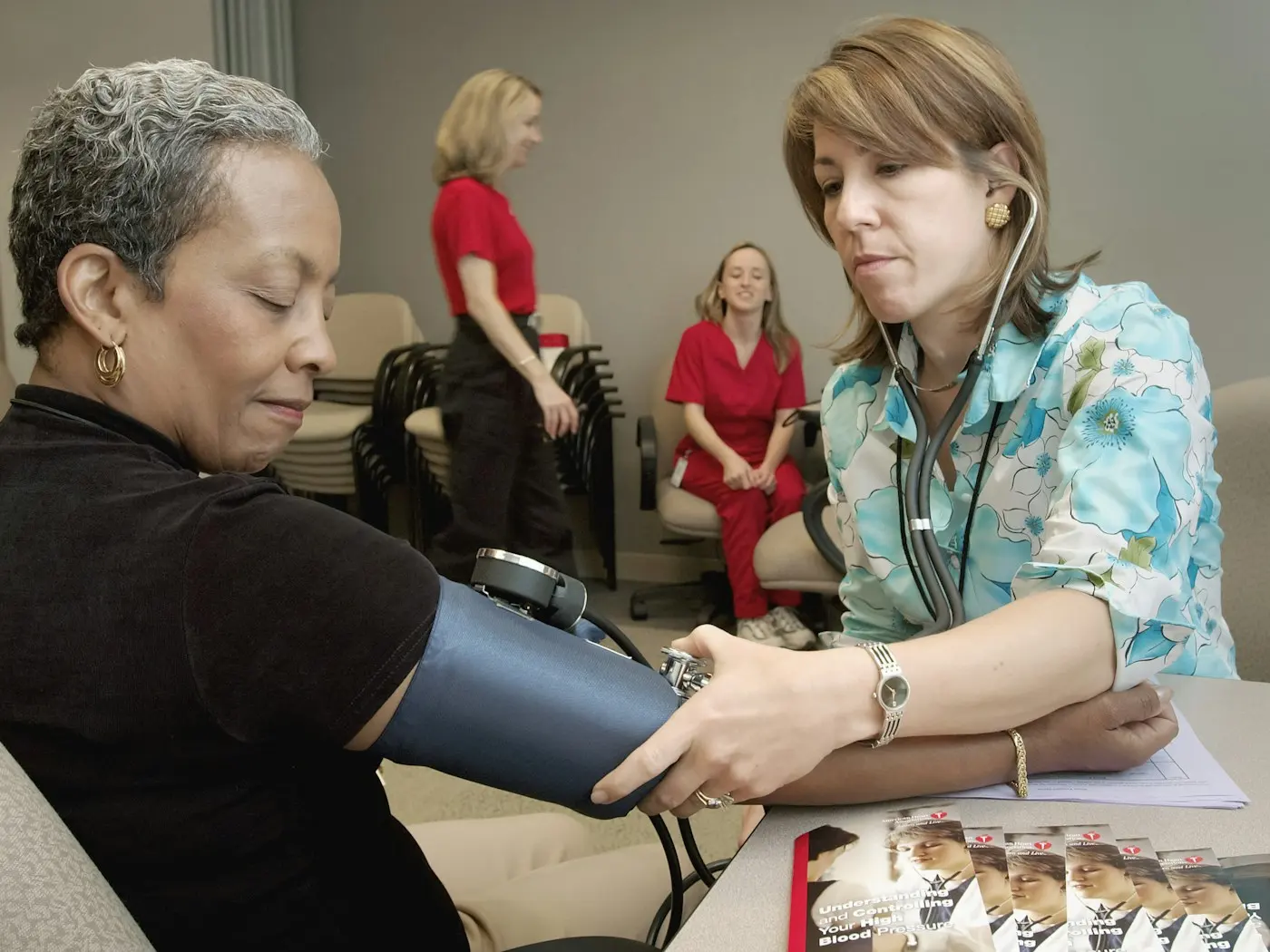
A healthcare professional taking a blood-pressure reading while discussing a patient's concerns

An informational page only. Stem cell administration is a highly regulated area: availability must be confirmed, suitability requires specialist assessment, and this website does not establish that you are eligible.

View Details
Consultation-led care

Considering the NAD+?

Ask us whether it's appropriate for you. A clinician will assess your suitability first — the request itself doesn't confirm treatment.

Treatment depends on an individual assessment by a licensed clinician. This form is not for medical emergencies.