

Premium, Wellness and Recovery IV Drips

Weight Management / Insulin Resistance IV Drip

Hydration and nutritional support inside a wider plan — never a shortcut.

This is one of the most misrepresented services in the wellness market, so we want to be direct. An infusion does not burn fat, suppress appetite or speed up metabolism, and it does not improve insulin resistance. Where it has any role at all, it is a minor supportive one inside a broader, clinician-led plan built around food, activity, sleep and proper medical assessment.

All IV Drips
Fresh vegetables, pulses and fruit arranged for a balanced diet
Overview

What this is, in plain terms

Sustainable changes in weight come from an overall approach: eating patterns, physical activity, sleep, stress, medical factors and sometimes medication prescribed and monitored by a doctor. There is no infusion that changes that, and any service suggesting otherwise is worth walking away from.

Insulin resistance in particular is a metabolic state managed through weight, activity, diet and, where indicated, prescribed medicines with monitoring. No intravenous formulation offered here treats it, reverses it or is a substitute for that care. Within a wider programme, an IV may occasionally help with hydration or with a nutritional gap that has been clinically identified — that is the honest limit of its role.

On the day

What the appointment may involve

  • A fine cannula is placed, usually in the arm or the back of the hand, and the infusion runs at a controlled rate.
  • The rate is adjusted to how you feel rather than to a fixed schedule.
  • You are monitored throughout, and the infusion can be slowed, paused or stopped at any point.
Potential support

What it may support

Framed as areas people ask about — not promised outcomes.

  • Hydration support alongside a clinician-led lifestyle programme
  • Addressing a nutritional deficiency that has been clinically identified
  • Encouragement to build a sustainable programme rather than look for a shortcut
Suitability

Who may ask about it

  • Adults committed to a broader, clinician-led approach
  • People who understand an IV is supportive at most
  • Those willing to be screened, and to be told an infusion is not needed

Who may not be suitable

This list is not exhaustive. Suitability is always decided individually by a clinician.
  • Anyone expecting fat loss, appetite suppression or a faster metabolism from a drip
  • An eating disorder, disordered eating or a very low BMI, where this framing is inappropriate
  • Diagnosed diabetes or insulin resistance being managed by another team, without their involvement
  • Anyone using an infusion in place of prescribed treatment or dietary advice
  • Pregnancy or breastfeeding, unless a doctor advises otherwise
  • A known allergy or previous reaction to any infusion component
  • Heart, kidney or liver conditions affecting fluid or electrolyte balance, without medical clearance
  • Acute illness, or a condition your clinician judges should be investigated or stabilised first
Assessment

How suitability is assessed

  • Your history, medicines, allergies and relevant measurements are reviewed, and conditions needing attention first are screened for.
  • Underlying causes and appropriate medical options — including referral — are discussed openly.
  • The clinician is candid about how limited an infusion's contribution is, and may advise against it entirely.
  • Anyone with signs of disordered eating is directed to appropriate care rather than offered a drip.
Before

Preparation

  • Eat normally and drink water beforehand unless you have been told otherwise.
  • Bring an up-to-date list of your medicines and supplements.
  • Mention any heart, kidney or liver condition, any allergy or previous reaction, and pregnancy or breastfeeding.
  • Allow more time than you think you need — sessions are not rushed.
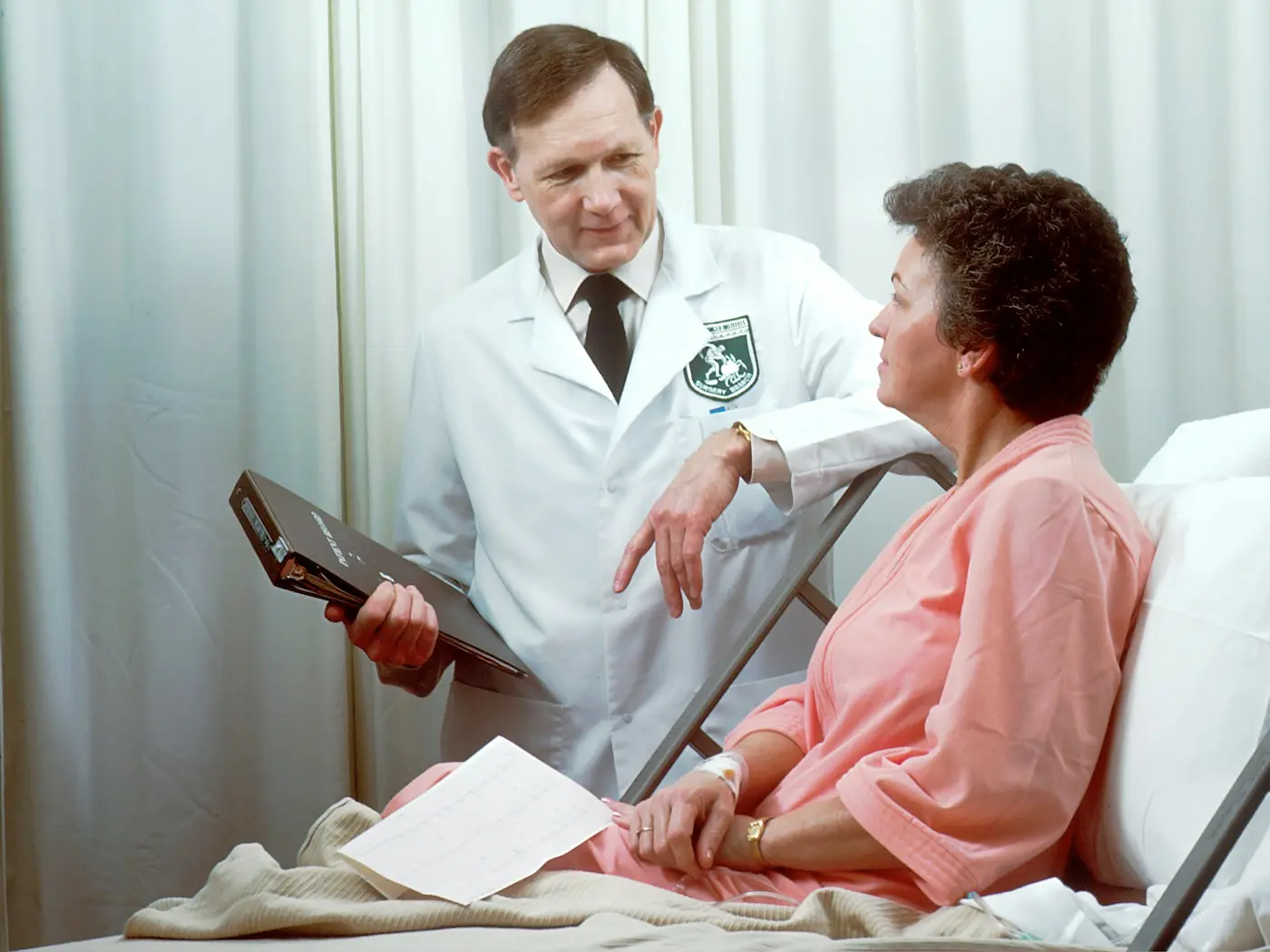
A clinician reviewing notes at the bedside while checking in with a patient
Risks

Possible side effects

  • Discomfort, bruising or redness where the cannula was placed
  • Lightheadedness, headache or a temporary taste or smell change during the infusion
  • Fluid or electrolyte effects, which is why heart, kidney and liver conditions need clearance first
  • Uncommonly, an allergic reaction — one of the reasons treatment is only given in a clinical setting
After

Aftercare

  • Rest for a few minutes before leaving if you feel lightheaded, and avoid driving until you feel steady.
  • Keep the cannula site clean and watch for swelling or spreading redness.
  • Drink water normally and carry on with the rest of your usual routine unless advised otherwise.
  • Contact the clinic — or seek urgent care — for chest pain, breathlessness, a rash or significant swelling.
Realistic expectations

What to expect — honestly

This service will not deliver weight loss, and we do not promise a change in body weight, body composition or insulin sensitivity. Any infusion is a small supportive element, never the reason weight changes.

It is not a replacement for a healthy diet, physical activity, or appropriate medical treatment for obesity or metabolic conditions. Results depend entirely on the wider plan and vary between individuals.

Written by IV Drips Dubai editorial team

Published 2026-08-12 · Last updated 2026-08-13

Medical disclaimer

This page is general information, not medical advice, and does not create a doctor–patient relationship. IV therapy is not suitable for everyone, suitability is decided by a licensed clinician after assessment, and results vary. This website and its booking form are not for emergencies — in a medical emergency, contact local emergency services immediately. Content should be reviewed by a suitably qualified healthcare professional before launch.
FAQ

Weight Management questions

No. An IV does not burn fat, suppress appetite or speed up metabolism, and we do not promise weight loss. At most it supports hydration or a clinically identified nutritional gap within a wider, clinician-led plan.

No. Insulin resistance is managed through weight, activity, diet and, where indicated, prescribed medicines with monitoring. No infusion offered here treats or reverses it.

No. Sustainable change comes from your overall programme. An infusion cannot substitute for any part of it, and using it that way would delay care that actually works.

Related

Other IV drips to compare

Fresh vegetables and grains layered in a jar as part of a balanced diet

The intravenous route bypasses digestion, which matters when absorption has been clinically shown to be impaired. Digestive symptoms should be investigated properly rather than managed with an infusion.

View Details
A clinician reviewing notes at the bedside while checking in with a patient

Focused on fluid and electrolyte replacement after demanding exercise. It does not build muscle or improve performance, and anyone competing should check the current anti-doping rules first.

View Details
A member of clinical staff in scrubs in a bright treatment area

Built around nutrients the body uses in energy-producing reactions. Feeling tired has many possible causes, and an infusion is not a substitute for finding out why.

View Details
Consultation-led care

Considering the Weight Management?

Ask us whether it's appropriate for you. A clinician will assess your suitability first — the request itself doesn't confirm treatment.

Treatment depends on an individual assessment by a licensed clinician. This form is not for medical emergencies.